









Introduction
The word piragnia has been gaining attention online, often surrounded by confusion, myths, and curiosity. Many people associate piragnia with danger, aggression, and dramatic stories, but the truth is much more balanced and informative. Understanding piragnia requires separating fact from fiction and looking at its real biological and cultural background.
This article provides a clear, professional, and human-written explanation of piragnia, covering its meaning, scientific basis, behavior, myths, and importance in nature.
What Does Piragnia Actually Mean?
The term piragnia is not a recognized scientific name. In most cases, it is used as an alternative spelling or variation of piranha, a well-known freshwater fish species. Despite the spelling difference, people searching for piragnia are usually referring to the same fish.
Over time, piragnia has become a commonly searched keyword, especially in online content. This makes it important to explain its meaning clearly so readers understand what it represents.
Scientific Background of Piragnia
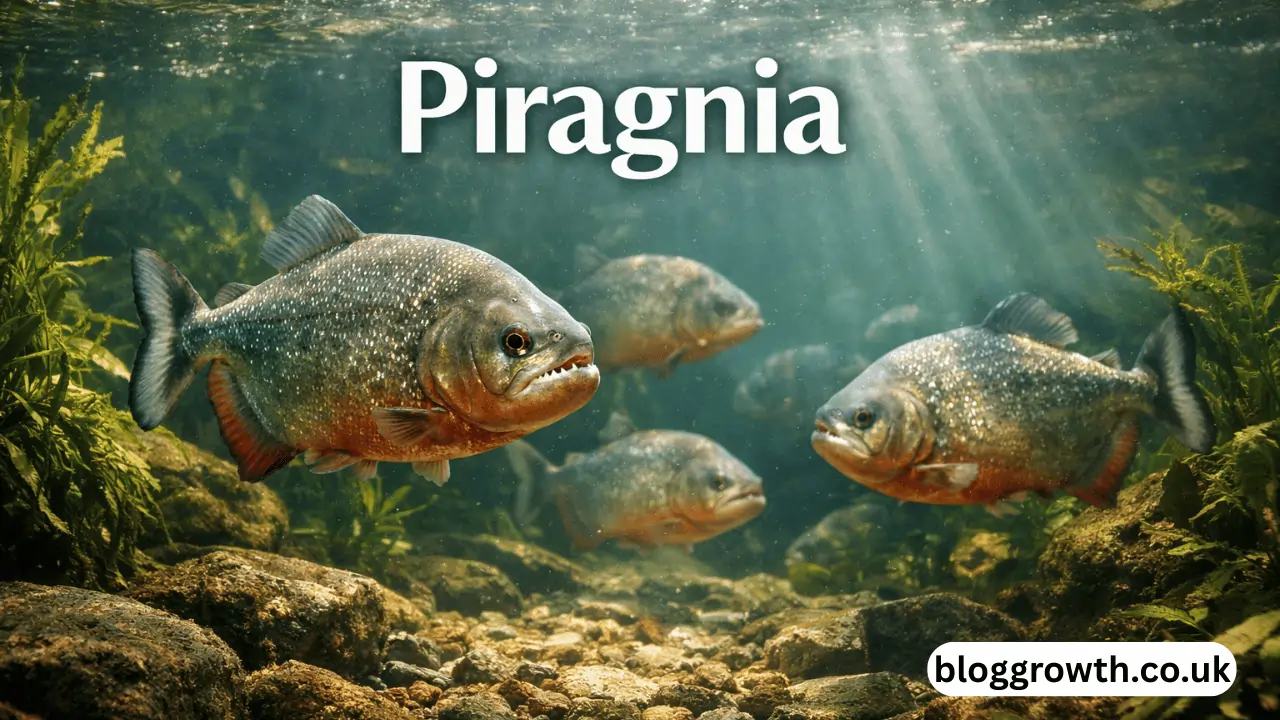
From a scientific perspective, piragnia refers to a group of freshwater fish known for their sharp teeth and strong jaws. These fish are mainly found in South American rivers, particularly in the Amazon Basin.
Physical Characteristics
Piragnia fish are known for several distinctive features:
- Sharp, triangular teeth designed for cutting
- Strong jaw muscles that allow powerful bites
- Compact body structure suited for quick movement
These physical traits have contributed to their reputation, but they do not necessarily mean the fish is always dangerous.
Natural Habitat and Distribution
Piragnia are primarily found in freshwater environments. Their natural habitat includes rivers, lakes, and flooded forest areas in South America.
They thrive in warm climates and are commonly seen in:
- Amazon River system
- Orinoco River basin
- Other tropical freshwater ecosystems
These environments provide the food sources and conditions necessary for their survival.
Diet and Feeding Habits of Piragnia
One of the most misunderstood aspects of piragnia is its diet. Many people believe these fish are strictly carnivorous, but that is not accurate.
Piragnia are omnivores, meaning they consume both plant and animal matter.
What Do Piragnia Eat?
Their diet typically includes:
- Small fish
- Insects
- Crustaceans
- Fruits and seeds
This flexible diet allows piragnia to adapt to different environmental conditions. They are not constant hunters but opportunistic feeders.
Behavior and Social Patterns
The behavior of piragnia is often exaggerated. While they are capable of defending themselves, they are not naturally aggressive in most situations.
Schooling Behavior
Piragnia often move in groups, known as schools. This behavior is commonly misunderstood.
- It is mainly a defense mechanism
- It helps reduce the risk of being attacked by predators
- It increases survival chances
When Do They Become Aggressive?
Piragnia may show aggressive behavior under certain conditions:
- Limited food availability
- Breeding periods
- Threat or disturbance
Outside of these situations, they tend to avoid unnecessary conflict.
Myth vs Reality About Piragnia
There are many myths associated with piragnia, largely influenced by movies and exaggerated stories.
Common Myths
- Piragnia always attack humans
- They can instantly consume large animals
- All species are dangerous
Actual Reality
- Attacks on humans are rare
- Most species are not harmful
- They prefer to avoid large threats
Understanding these differences helps create a more accurate view of piragnia.
Cultural and Symbolic Importance
Piragnia is not only important from a biological perspective but also holds cultural meaning.
In some traditions, these fish symbolize:
- Survival
- Strength
- Adaptability
In modern media, piragnia often represents danger and intensity. This symbolic portrayal has contributed to its global recognition.
Role of Piragnia in the Ecosystem
Piragnia play a vital role in maintaining ecological balance. They are an important part of freshwater ecosystems.
Ecological Contributions
- Control populations of smaller fish
- Help clean organic waste
- Support biodiversity
Without piragnia, ecosystems could face imbalance, affecting multiple species.
Are Piragnia Dangerous to Humans?
The idea that piragnia are extremely dangerous is largely exaggerated. While they have the ability to bite, they do not usually pose a serious threat to humans.
Most incidents occur due to:
- Provoked interaction
- Feeding activity
- Accidental encounters
In general, piragnia are not aggressive toward humans and prefer to stay away.
Why Piragnia Is Widely Misunderstood
The misunderstanding of piragnia comes from a combination of media influence and lack of accurate information. Movies and stories often highlight extreme scenarios rather than everyday behavior.
This has created a perception that does not fully reflect reality. In truth, piragnia are simply part of a natural system, behaving according to their environment.
Conclusion
Piragnia is a term that may seem confusing at first, but its meaning becomes clear when explored properly. It refers to a group of freshwater fish that are often misunderstood due to myths and exaggeration.
In reality, piragnia are adaptable, balanced, and essential to their ecosystem. They are not the constant threat they are often made out to be. By understanding their behavior, diet, and role in nature, we can replace fear with knowledge and appreciation.
FAQs About Piragnia
1. What is piragnia?
Piragnia is a commonly used variation of piranha, referring to freshwater fish known for sharp teeth and strong jaws.
2. Is piragnia a real scientific term?
No, piragnia is not a scientific term. It is an alternative spelling used in online searches and content.
3. Are piragnia fish dangerous?
Piragnia are not usually dangerous. Most species are calm and avoid humans.
4. What does piragnia eat?
Piragnia are omnivores and eat fish, insects, and plant material like fruits and seeds.
5. Where can piragnia be found?
Piragnia are mainly found in South American freshwater systems, especially in the Amazon region.
You May Also Read: Betterthisfacts Tips By Betterthisworld: Smart Daily Habits to Improve Mindset and Decisions