









Introduction
The natural world is filled with incredible creatures, but few are as distinctive and fascinating as the chameleónovité. Known for their ability to change color and their unusual physical traits, these reptiles stand out as one of nature’s most remarkable examples of adaptation. From their independently moving eyes to their lightning-fast tongues, chameleónovité offer a perfect blend of beauty and biological innovation.
This detailed guide explores everything you need to know about chameleónovité, including their characteristics, habitat, diet, behavior, and the challenges they face in the modern world.
What Are Chameleónovité?
Chameleónovité refers to a family of reptiles commonly known as chameleons. These animals belong to the scientific family Chamaeleonidae and are part of the reptile group that includes lizards and snakes. There are over 200 species of chameleónovité, and they are primarily found in Africa and Madagascar, with a smaller number of species living in parts of Asia and southern Europe.
What makes chameleónovité truly unique is not just their appearance, but the specialized adaptations that allow them to survive in different environments. Each species has evolved traits suited to its specific habitat, making this group incredibly diverse.
Key Physical Features of Chameleónovité
Chameleónovité are easily recognizable due to their distinct body structure. These features are not just for appearance but play an important role in their survival.
Independent Eye Movement
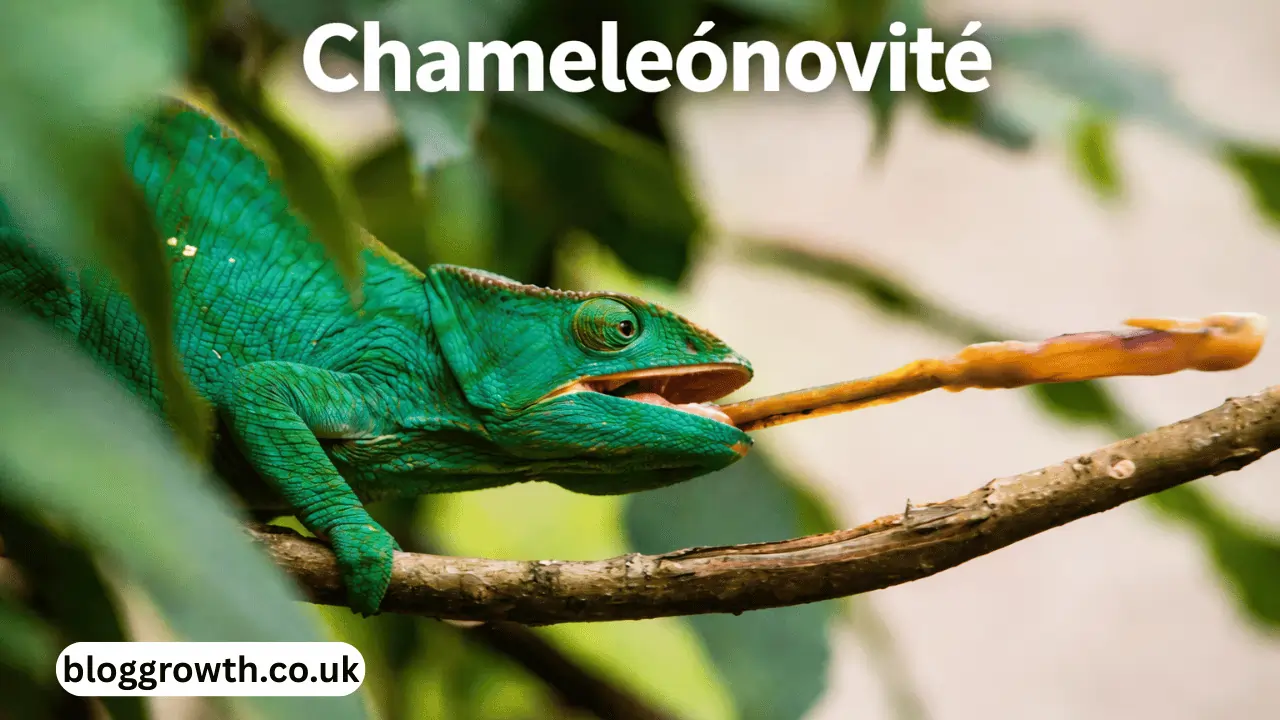
One of the most impressive features of chameleónovité is their eyes. Each eye can move independently, allowing them to observe two different directions at once. This gives them a nearly full-circle field of vision, helping them detect both predators and prey without moving their bodies.
Long and Powerful Tongue
The tongue of chameleónovité is specially adapted for hunting. It can extend rapidly to capture prey at a distance, often reaching lengths greater than their own body. This quick extension makes them highly efficient hunters.
Specialized Feet for Gripping
Chameleónovité have uniquely structured feet that allow them to grip branches firmly. Their toes are grouped in a way that acts like a clamp, making it easier for them to move through trees and maintain stability.
Prehensile Tail
Another important feature of chameleónovité is their prehensile tail. This tail functions like an extra hand, helping them hold onto branches and balance while climbing.
How Chameleónovité Change Color
The color-changing ability of chameleónovité is one of their most well-known traits, but it is often misunderstood. While camouflage does play a role, it is not the main reason for this ability.
Reasons for Color Change
Chameleónovité change color for several important reasons:
- Communication with other chameleons
- Regulating body temperature
- Expressing emotions such as stress, fear, or dominance
Their skin contains special cells that reflect light differently, allowing them to display a wide range of colors. This process is more about communication and survival than simply blending into the background.
Habitat and Distribution of Chameleónovité
Chameleónovité are highly adaptable and can live in a variety of environments. Most species are found in warm regions, especially in Africa and Madagascar.
Common Habitats
- Tropical forests with dense vegetation
- Dry savannas with scattered trees
- Mountain regions with cooler climates
- Semi-desert areas
Most chameleónovité are arboreal, meaning they live in trees. However, some species have adapted to life on the ground, showing how flexible and diverse this group can be.
Diet and Feeding Behavior
Chameleónovité are primarily insect-eaters, but their diet can vary depending on their size and species.
Typical Diet
- Insects such as crickets, grasshoppers, and flies
- Larger species may eat small birds or rodents
Hunting Technique
Chameleónovité use a sit-and-wait hunting strategy. They remain still and rely on their camouflage to avoid detection. When prey comes close enough, they strike quickly with their long tongue.
This method helps them conserve energy while still being effective hunters.
Behavior and Lifestyle of Chameleónovité
Chameleónovité are generally solitary animals. They prefer to live alone and can become territorial if another chameleon enters their space.
Communication Methods
Unlike many animals, chameleónovité do not rely on sound. Instead, they communicate through:
- Color changes
- Body posture
- Movement patterns
Unique Movement Style
Their slow, swaying movement resembles leaves moving in the wind. This behavior helps them avoid predators by blending into their surroundings.
Evolution and Diversity
The wide variety of chameleónovité species is the result of long-term evolution. Different environments have shaped their physical traits and behaviors over time.
Some species are extremely small and difficult to spot, while others are larger and more colorful. This diversity highlights the adaptability of chameleónovité and their ability to survive in different ecological conditions.
Threats and Conservation
Despite their unique adaptations, many species of chameleónovité are facing serious threats.
Major Challenges
- Deforestation and habitat loss
- Climate change affecting ecosystems
- Illegal capture for the pet trade
Madagascar, which is home to many rare species of chameleónovité, is especially vulnerable to environmental damage. Protecting these habitats is essential for their survival.
Importance of Chameleónovité in Nature
Chameleónovité play an important role in maintaining ecological balance. By feeding on insects, they help control pest populations. Their presence in an ecosystem often indicates a healthy environment.
They are also valuable for scientific research, particularly in understanding vision, adaptation, and evolutionary biology.
Conclusion
Chameleónovité are among the most fascinating reptiles on Earth. Their ability to change color, their unique physical features, and their specialized behaviors make them truly one of a kind. From dense forests to dry landscapes, they have adapted to a wide range of environments, showcasing the power of evolution.
However, increasing environmental threats mean that many species of chameleónovité are at risk. Understanding their importance and protecting their habitats is crucial for ensuring that these remarkable creatures continue to thrive in the wild.
Frequently Asked Questions
1. What does chameleónovité mean?
Chameleónovité refers to a family of reptiles known as chameleons, famous for their color-changing ability and unique physical traits.
2. How do chameleónovité change their color?
They change color using specialized skin cells that reflect light differently, mainly for communication and temperature control.
3. Where are chameleónovité mostly found?
They are mainly found in Africa and Madagascar, with some species in Asia and southern Europe.
4. What do chameleónovité eat?
They primarily eat insects, although larger species may consume small animals like birds or rodents.
5. Are chameleónovité endangered?
Yes, many species are threatened due to habitat loss, climate change, and illegal wildlife trade.
You May Also Read: Glasgow Water Main Break Shettleston Road: Causes, Impact, Disruption, Repairs and Recovery