









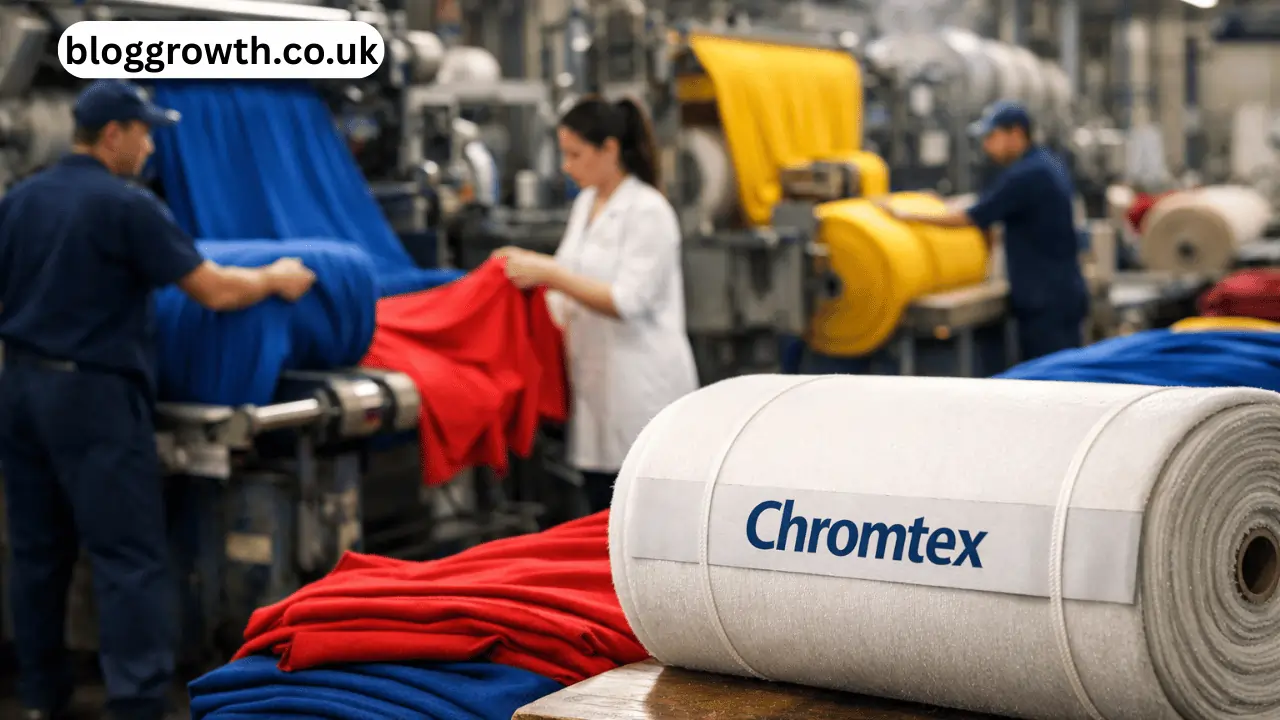
Introduction
The textile industry depends on precision, consistency, and quality at every stage of production. From raw fibers to finished garments, a series of chemical processes ensures that fabrics meet the desired standards. One of the key elements supporting these processes is chromtex.
Understanding chromtex helps explain how fabrics achieve their softness, strength, and vibrant colors. It is not just a technical component of textile manufacturing but a crucial factor that directly influences the final product we use every day.
What is Chromtex
Chromtex refers to a group of specialized textile chemicals used during different stages of fabric production. These chemicals are designed to improve how fabrics are processed, dyed, and finished.
In simple terms, chromtex acts as a support system in textile manufacturing. It helps prepare fabrics, ensures proper dye absorption, and enhances the final appearance and feel of the material. Without chromtex, achieving consistent quality in large-scale textile production would be extremely difficult.
How Chromtex Works in Textile Manufacturing
Textile production is divided into several stages, and chromtex plays an important role in each one. These stages include pretreatment, dyeing, and finishing.
Pretreatment Process
Before any fabric is dyed, it must be cleaned and prepared. Raw fibers often contain impurities such as oils, dust, and natural waxes. Chromtex chemicals are used to remove these unwanted elements.
This step ensures that the fabric surface is clean and ready to absorb dyes evenly. Proper pretreatment is essential because it directly affects the quality of the final product.
Dyeing Stage
Color consistency is one of the most important aspects of textile production. During the dyeing process, chromtex helps fabrics absorb color more effectively.
It ensures that the dye spreads evenly across the fabric, preventing issues such as uneven shades or fading. This results in bright, long-lasting colors that meet industry standards.
Finishing Stage
The finishing stage is where fabric gains its final properties. Chromtex is used to improve softness, enhance durability, and add special features such as wrinkle resistance or smooth texture.
This is the stage that transforms basic fabric into a product that is comfortable, attractive, and ready for use.
Types of Chromtex Chemicals Used in Industry
Chromtex includes a wide range of textile auxiliary chemicals, each designed for a specific purpose.
Enzymes
Enzymes are used to improve fabric smoothness and remove unwanted fibers. They are commonly applied in processes like bio-polishing and desizing.
Wetting Agents and Detergents
These chemicals help water and other solutions spread evenly across the fabric. This ensures effective cleaning during the pretreatment stage.
Dyeing Auxiliaries
Dyeing auxiliaries control how dyes interact with the fabric. They improve color uniformity and ensure that the final result is consistent across all batches.
Softeners and Finishing Agents
These are used to enhance the feel and texture of the fabric. They make garments softer and more comfortable to wear.
Stabilizers and pH Controllers
These chemicals maintain the right chemical balance during processing. This helps prevent damage to the fabric and ensures smooth operation throughout production.
Benefits of Using Chromtex in Textile Production
Chromtex provides several advantages that make it essential in modern textile manufacturing.
Improved Fabric Quality
By supporting each stage of production, chromtex ensures that fabrics have better texture, color, and durability. This leads to higher-quality end products.
Increased Production Efficiency
Chromtex helps streamline the manufacturing process. It reduces errors and ensures that each step is completed effectively, saving time and resources.
Cost Effectiveness
Efficient processing reduces waste and minimizes defects. This allows manufacturers to lower production costs while maintaining high standards.
Consistent Results
Consistency is critical in textile production. Chromtex ensures that every batch of fabric meets the same quality standards, which is especially important for large-scale manufacturing.
Sustainability and Environmental Impact of Chromtex
The textile industry is increasingly focusing on sustainability, and chromtex is evolving to meet these demands.
Modern chromtex formulations are designed to reduce environmental impact by minimizing water usage and limiting harmful chemical discharge. Many manufacturers are adopting eco-friendly alternatives that meet international environmental standards.
These advancements not only help protect the environment but also improve the reputation of textile companies in global markets.
Future Trends in Chromtex and Textile Industry
The future of chromtex is closely linked with innovation in textile technology. As the industry grows, new developments are expected to improve both efficiency and sustainability.
Some future trends include the development of smarter chemical solutions, reduced energy consumption, and better compatibility with sustainable fabrics. Automation and advanced manufacturing techniques will also increase the demand for high-performance chromtex products.
These changes will continue to shape the textile industry and ensure that chromtex remains a key component in production processes.
Conclusion
Chromtex plays a vital role in modern textile manufacturing by supporting every stage of fabric production. From cleaning raw materials to enhancing the final product, it ensures that fabrics meet high standards of quality and performance.
Its ability to improve efficiency, maintain consistency, and support sustainable practices makes chromtex an essential part of the textile industry. As technology continues to evolve, its importance will only grow, helping manufacturers produce better and more environmentally responsible products.
FAQs
1. What is chromtex in the textile industry
Chromtex refers to textile chemicals used to improve fabric processing, dyeing, and finishing.
2. Why is chromtex important
Chromtex is important because it enhances fabric quality, ensures consistent results, and improves production efficiency.
3. Where is chromtex used
Chromtex is used in textile mills, dyeing units, and garment manufacturing industries.
4. Is chromtex environmentally friendly
Modern chromtex solutions are designed to be more eco-friendly by reducing water usage and minimizing pollution.
5. How does chromtex improve fabric quality
Chromtex helps clean fabrics, improves dye absorption, and enhances finishing properties, resulting in better texture and durability.
You May Also Read: Pomedario: Proven Method to Boost Focus and Productivity with Smart Time Management