









Introduction
In recent years, the way we understand the human body has started to shift. Instead of viewing physical health and mental processes separately, experts are focusing more on how the brain, nerves, and muscles work together. One emerging concept that reflects this approach is kinervus. Although still developing as a term, kinervus is gaining attention across healthcare, wellness, and technology because it brings a unified view of human movement and neurological function.
This article provides a complete and clear understanding of kinervus, its origin, how it works, and why it is becoming important in today’s world.
What is Kinervus
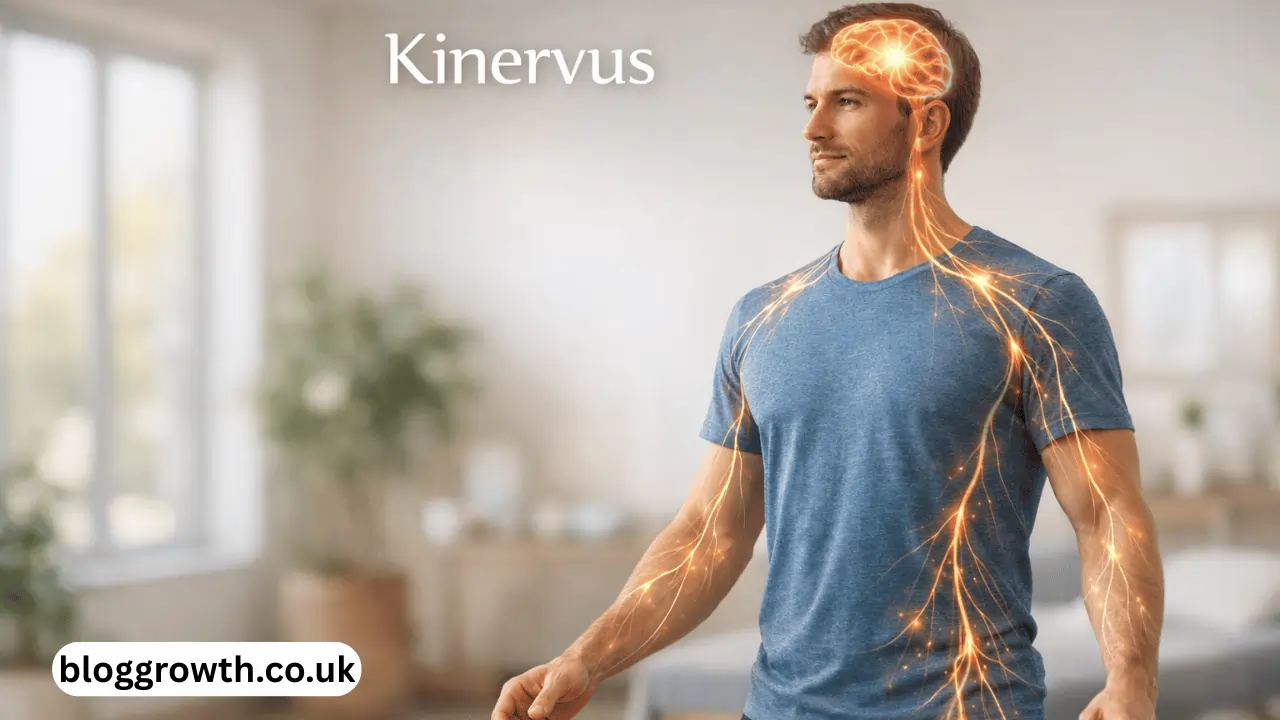
Kinervus refers to the relationship between the brain, nervous system, and body movement. It explains how signals generated in the brain travel through nerves to control muscles and create motion.
In simple language, kinervus describes how your body moves based on instructions from your brain. Every action, whether small or large, depends on this communication system.
The concept of kinervus is not limited to one field. It is used in different ways, including:
- A scientific explanation of movement control
- A rehabilitation approach in healthcare
- A concept in modern health technology
- A broader idea linked to wellness and balance
This flexibility makes kinervus a valuable topic for both professionals and general readers.
Origin and Meaning of Kinervus
The term kinervus is formed by combining two root words:
- Kinesis, which means movement
- Nervus, which means nerves
Together, these words create a meaning that directly reflects the function of the human body. Kinervus essentially represents movement controlled by the nervous system.
This origin is important because it highlights that movement is not just about muscles. It is deeply connected to how the brain communicates with the body.
How Kinervus Works in the Human Body
To understand kinervus better, it is important to look at how movement happens in the body.
Brain Signals and Movement Control
Every movement begins in the brain. The brain sends signals through the nervous system to specific muscles. These signals travel quickly and allow the body to respond almost instantly.
Role of the Nervous System
The nervous system acts as a communication network. It carries messages between the brain and different parts of the body. Without this system, movement would not be possible.
Muscle Response and Coordination
Once the signal reaches the muscles, they contract or relax to produce movement. Proper coordination depends on how accurately these signals are transmitted.
Kinervus focuses on improving and understanding this entire process. When this system works efficiently, movement is smooth and controlled. When it is disrupted, problems such as poor coordination or limited mobility can occur.
Kinervus in Healthcare and Rehabilitation
One of the most practical uses of kinervus can be seen in healthcare, especially in physiotherapy and rehabilitation.
Recovery After Injury
After injuries such as nerve damage or stroke, the connection between the brain and muscles may weaken. Kinervus-based approaches help rebuild this connection through guided exercises.
Improving Mobility
Patients who struggle with movement can benefit from therapies that focus on restoring neural communication. This helps improve flexibility, strength, and coordination.
Personalized Treatment Plans
Modern rehabilitation methods often focus on individual needs. Kinervus supports this approach by considering how each person’s nervous system responds differently.
This makes kinervus an important concept in long-term recovery and physical improvement.
Role of Kinervus in Modern Technology
Technology is playing a major role in shaping how kinervus is applied in real-world situations.
Smart Rehabilitation Systems
Advanced systems now use sensors and tracking tools to monitor body movement. These tools help professionals understand how the body responds to treatment.
Data-Driven Health Solutions
By collecting movement and nerve response data, healthcare providers can design more effective recovery plans.
Integration with Artificial Intelligence
Artificial intelligence is being used to analyze patterns in movement and predict recovery outcomes. This makes rehabilitation more efficient and personalized.
Kinervus acts as a bridge between biological processes and technological innovation, making healthcare smarter and more effective.
Kinervus and the Mind-Body Connection
Beyond science and medicine, kinervus also reflects a broader idea of balance between the mind and body.
Awareness of Movement
People are becoming more aware of how their body moves in daily life. This awareness can improve posture, reduce strain, and prevent injuries.
Focus and Physical Control
When mental focus aligns with physical action, performance improves. This is especially important in sports, fitness, and daily activities.
Connection to Wellness Practices
Activities like yoga, stretching, and mindful movement follow principles similar to kinervus. They encourage better coordination between the brain and body.
This perspective shows that kinervus is not only about recovery but also about maintaining overall well-being.
Benefits of Understanding Kinervus
Learning about kinervus can provide several important advantages:
Better Movement Efficiency
Understanding how your body works helps improve coordination and reduces unnecessary strain.
Faster Recovery Process
Rehabilitation focused on nerve-muscle connection can speed up healing.
Improved Balance and Stability
Strong communication between brain and body leads to better control over movements.
Preventive Health Approach
Focusing on movement and nerve health can help avoid future injuries.
Increased Body Awareness
People become more conscious of how their body responds to different activities.
Why Kinervus is Gaining Attention
There are clear reasons why kinervus is becoming more popular:
- Growing interest in personalized healthcare
- Increased awareness of neurological health
- Rapid development in health technology
- Shift towards preventive and long-term wellness
People are no longer only treating problems after they appear. They are focusing on improving their overall system, which aligns with the idea of kinervus.
Future of Kinervus in Health and Technology
The future of kinervus looks promising as it continues to evolve across multiple fields.
Advanced Healthcare Systems
Hospitals and clinics may adopt more technology-based rehabilitation methods that focus on neural connections.
Wearable Devices
Devices that track movement and nerve responses could become more common, helping individuals monitor their health daily.
Sports and Performance Training
Athletes may use kinervus-based techniques to improve performance and reduce injury risks.
Preventive Health Strategies
Kinervus can play a key role in helping people maintain long-term physical and mental health.
Conclusion
Kinervus represents a modern way of understanding the human body by connecting the brain, nervous system, and movement into one unified concept. It goes beyond traditional approaches by focusing on how these systems work together rather than separately.
As healthcare, technology, and wellness continue to evolve, kinervus is likely to become an important part of how we approach movement, recovery, and overall well-being. By understanding and applying its principles, individuals can improve both their physical performance and long-term health.
FAQs About Kinervus
1. What is kinervus in simple terms
Kinervus refers to how the brain, nerves, and muscles work together to create movement in the body.
2. Is kinervus used in medical treatment
Yes, kinervus is used as a concept in physiotherapy and rehabilitation to improve movement and recovery.
3. Can kinervus help in injury recovery
Kinervus-based approaches can help restore communication between the brain and muscles, which supports faster recovery.
4. How is kinervus related to technology
Kinervus is used in modern health technology to develop systems that track movement and improve rehabilitation methods.
5. Why is kinervus important today
Kinervus is important because it supports a more complete understanding of health by connecting physical movement with neurological function.
You May Also Read: Inflatom: Meaning, Company Insight and Inflation Difference Explained