



Introduction
Understanding how puppies learn and grow is essential for every dog owner. One concept that has gained attention in this area is valplekar. While the term may seem unfamiliar at first, it represents a simple yet powerful approach to raising healthy, happy, and well-behaved puppies.
This article provides a complete, clear, and practical explanation of valplekar, including its meaning, importance, types of activities, and how you can apply it effectively in daily life.
What is Valplekar?
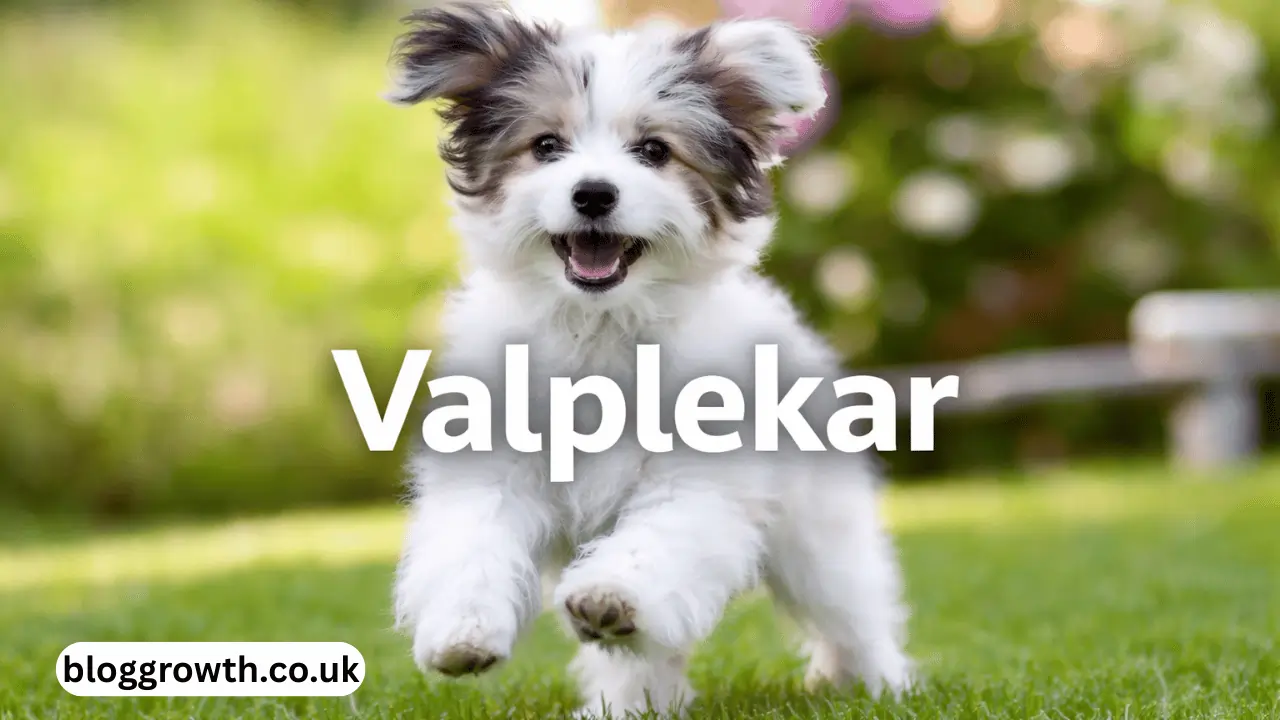
Valplekar is a term that comes from the Swedish language and translates directly to “puppy play.” However, it is not just about casual or random play. It refers to structured and meaningful play activities designed to support a puppy’s overall development.
In simple words, valplekar is a method of teaching puppies through play. It combines fun with learning, helping puppies develop essential life skills without stress or pressure.
This concept focuses on natural learning, where puppies explore, interact, and understand their environment through guided play.
Why Valplekar is Important for Puppies
The early stage of a puppy’s life is crucial. What they learn during this time shapes their behavior as adult dogs. Practicing valplekar regularly can have long-term benefits.
Mental Development
Puppies are naturally curious. Through valplekar, they are exposed to different situations, which helps improve their thinking ability and learning speed. It keeps their mind active and prevents boredom.
Physical Growth
Active play strengthens muscles, improves balance, and builds coordination. Puppies that engage in valplekar tend to be more energetic and physically fit.
Social Skills
One of the biggest advantages of valplekar is social learning. Puppies learn how to interact with humans and other animals, reducing fear and aggressive behavior later in life.
Emotional Stability
Play helps reduce anxiety and builds confidence. A puppy that regularly participates in valplekar feels more secure and comfortable in different environments.
Strong Bond with Owner
Spending time together during play builds trust. Valplekar strengthens the relationship between the puppy and its owner, making training easier and more effective.
Types of Valplekar Activities
There are many simple and effective ways to practice valplekar at home. These activities do not require special equipment and can be easily included in daily routines.
Fetch Games
Throwing a ball or toy and encouraging your puppy to bring it back is a basic form of valplekar. It improves obedience and keeps the puppy active.
Tug Games
Tug-of-war, when done correctly, helps build strength and teaches control. It is an engaging valplekar activity that also improves interaction.
Hide and Seek
Hiding treats or toys and letting your puppy find them helps develop problem-solving skills. This type of valplekar keeps their mind sharp.
Social Interaction
Allowing puppies to play with other dogs is an important part of valplekar. It teaches them boundaries and improves communication skills.
Training Through Play
Basic commands like sit, stay, and come can be taught during play sessions. This makes learning enjoyable and more effective.
How to Practice Valplekar Effectively
To get the best results from valplekar, it is important to follow a balanced and consistent approach.
Keep Sessions Short and Engaging
Puppies have limited attention spans. Short play sessions are more effective than long ones.
Use Positive Reinforcement
Reward your puppy with treats or praise during valplekar. This encourages good behavior and builds confidence.
Stay Consistent
Daily practice helps reinforce learning. Regular valplekar sessions create better habits and faster progress.
Provide Variety
Mix different activities to keep your puppy interested. Variety ensures both mental and physical development.
Observe Your Puppy
Pay attention to your puppy’s behavior. If they seem tired or stressed, it’s time to stop and let them rest.
Common Mistakes to Avoid in Valplekar
While valplekar is simple, some common mistakes can reduce its effectiveness.
Overplaying
Too much play can make puppies tired or stressed. Balance is important.
Using Unsafe Toys
Always choose safe and suitable toys to avoid injuries during valplekar.
Ignoring Behavior
Allowing aggressive or rough behavior can lead to problems later. Always guide your puppy properly.
Lack of Routine
Irregular play sessions can confuse puppies and slow down their learning process.
Valplekar as a Learning Concept
Although valplekar is mainly used for puppies, its idea goes beyond pet training. It represents learning through experience, interaction, and enjoyment.
This concept can also apply to humans:
- Learning becomes easier when it is enjoyable
- Practice and interaction improve understanding
- Confidence grows through active participation
This makes valplekar not just a training method, but a broader approach to growth and development.
Conclusion
Valplekar is a simple yet powerful way to support a puppy’s growth. It combines play with learning, helping puppies develop physically, mentally, and emotionally.
By practicing valplekar regularly, you can raise a confident, well-behaved, and happy dog. It also strengthens your bond with your pet, making the journey more enjoyable for both of you.
Whether you are a new dog owner or someone looking to improve training methods, understanding valplekar can make a real difference.
FAQs About Valplekar
1. What does valplekar mean?
Valplekar means puppy play and refers to structured activities that help in a puppy’s development.
2. How often should I do valplekar with my puppy?
Daily short sessions are ideal to keep your puppy active and engaged.
3. Is valplekar useful for training?
Yes, valplekar helps teach commands and good behavior in a natural and enjoyable way.
4. Can older dogs benefit from valplekar?
While it is mainly for puppies, older dogs can also benefit from similar play-based activities.
5. What are the main benefits of valplekar?
It improves mental growth, physical health, social skills, and strengthens the bond between the dog and its owner.
You May Also Read: Ottans: Meaning, History, Empire Expansion, Cultural Influence and Legacy