








Introduction
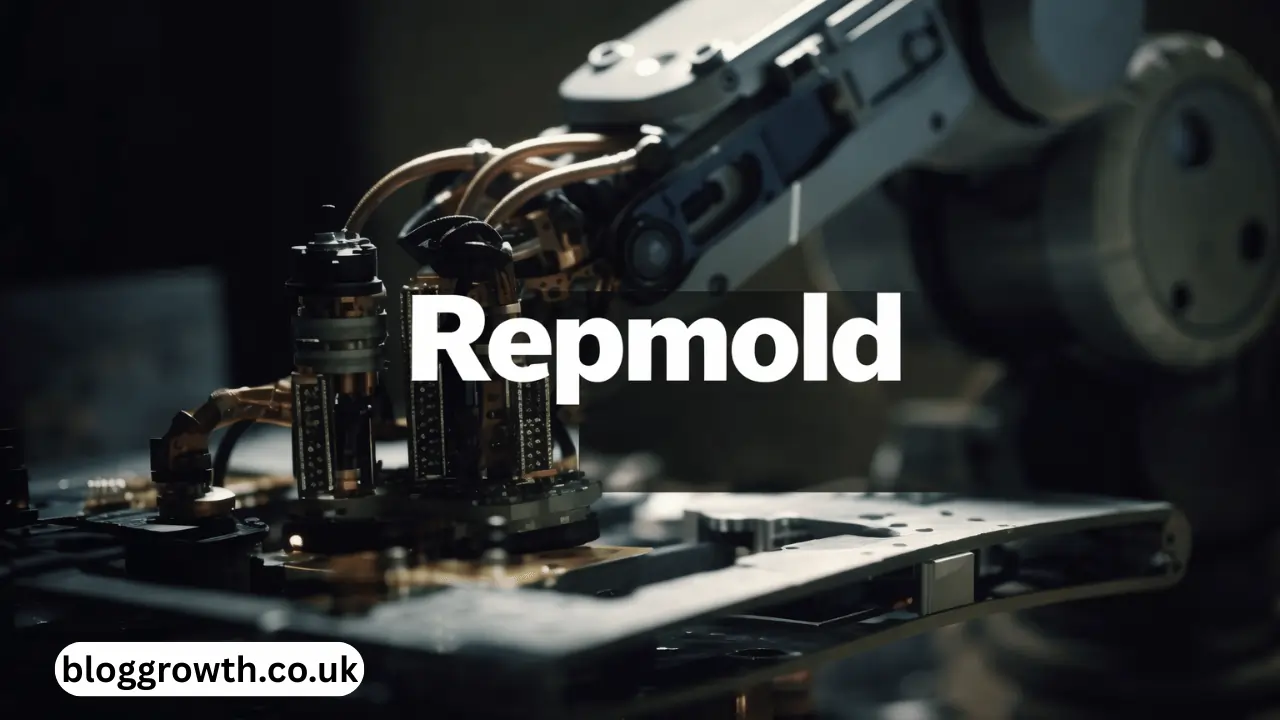
In today’s competitive manufacturing landscape, speed, efficiency, and precision are more important than ever. Businesses are constantly searching for smarter ways to develop products without increasing costs or wasting resources. This is where repmold has started to make a strong impact. It offers a practical approach to creating accurate product replicas while improving overall production workflows.
This guide explains everything you need to know about repmold, including how it works, its advantages, real-world applications, and why it is becoming a preferred choice for modern industries.
What is Repmold?
Repmold is a modern manufacturing method focused on replicating objects or components with high accuracy using advanced tools and processes. Instead of relying on traditional mold-making techniques that take time and heavy investment, repmold allows manufacturers to produce parts quickly and efficiently.
The concept is simple: take an existing design, refine it if needed, and create multiple copies using flexible molds and digital technology. This makes repmold especially useful for businesses that want to test ideas, develop prototypes, or produce limited quantities without delays.
How Repmold Works Step by Step
Understanding how repmold works helps explain why it is so effective in modern production.
Digital Design Creation
The process begins with a detailed digital model created using CAD software. This model acts as the foundation for the entire production cycle.
Prototype Development
A physical prototype is created using technologies such as 3D printing or CNC machining. This step ensures that the design is accurate and ready for replication.
Mold Creation
A mold is developed using flexible materials like silicone or similar compounds. These molds are easier and faster to produce compared to traditional metal molds.
Product Replication
The mold is used to create multiple copies of the product. This stage highlights the strength of repmold, as it allows consistent and precise replication in a short time.
Key Features of Repmold
Repmold stands out because of its unique features that directly improve productivity and quality.
High Accuracy
Repmold ensures that every replicated part matches the original design closely.
Fast Production
The entire process is much quicker compared to traditional manufacturing methods.
Cost Efficiency
Lower tooling and setup costs make repmold a budget-friendly option.
Design Flexibility
Changes can be made easily without starting the process from scratch.
Reduced Material Waste
Efficient use of materials makes repmold a more sustainable option.
Repmold vs Traditional Manufacturing
Comparing repmold with traditional methods helps highlight its advantages.
Time Efficiency
Traditional mold-making can take weeks or even months. Repmold reduces this timeline significantly, often completing projects within days.
Cost Difference
Traditional manufacturing requires expensive tooling. Repmold minimizes these costs, making it accessible for smaller businesses.
Flexibility
Making changes in traditional molds is difficult. Repmold allows quick modifications without major delays.
Production Scale
Traditional methods are better for large-scale production, while repmold is ideal for prototypes and small batches.
Benefits of Using Repmold
Repmold offers several practical advantages that make it attractive for modern industries.
Faster Time to Market
Businesses can launch products quickly by reducing development time.
Lower Investment Risk
Since costs are lower, companies can experiment without major financial pressure.
Better Product Quality
Testing and refining designs before mass production leads to improved results.
Supports Innovation
Repmold allows businesses to try new ideas and improve existing products easily.
Environmentally Friendly
Less waste and efficient processes make it a sustainable manufacturing solution.
Industries That Use Repmold
Repmold is widely used across different industries due to its flexibility and efficiency.
Automotive Industry
Used for testing parts and developing prototypes before final production.
Medical Industry
Helps in creating precise tools, models, and custom components.
Aerospace Sector
Supports the production of lightweight and complex parts.
Consumer Products
Ideal for producing small batches of goods quickly.
Startups and Tech Companies
Enables quick product development without large investments.
Limitations of Repmold
Although repmold offers many benefits, it also has certain limitations that should be considered.
Not Ideal for Mass Production
For very large quantities, traditional manufacturing methods are still more suitable.
Mold Durability
Flexible molds used in repmold may wear out faster than metal molds.
Technical Expertise Required
Proper knowledge and tools are needed to achieve the best results.
Future of Repmold
The future of repmold looks promising as technology continues to evolve. With the integration of automation, smart systems, and advanced materials, the efficiency of repmold is expected to improve even further.
Manufacturers are moving toward faster and more sustainable production methods, and repmold fits perfectly into this shift. As industries adopt digital transformation, repmold will continue to play an important role in shaping modern manufacturing.
Conclusion
Repmold has emerged as a powerful solution for businesses looking to improve production speed, reduce costs, and maintain high-quality standards. By combining modern technology with practical processes, it offers a flexible and efficient alternative to traditional manufacturing methods.
Whether it is used for prototyping, product development, or small-scale production, repmold provides the tools needed to stay competitive in today’s fast-changing market.
Frequently Asked Questions
1. What is repmold used for?
Repmold is used to create accurate replicas of products, mainly for prototyping and small-scale production.
2. Is repmold suitable for large-scale manufacturing?
Repmold is better for small batches and testing, while traditional methods are more suitable for mass production.
3. How does repmold reduce costs?
It reduces costs by minimizing tooling expenses and speeding up the production process.
4. Which industries benefit most from repmold?
Industries like automotive, medical, aerospace, and consumer goods benefit the most.
5. What makes repmold different from traditional molding?
Repmold offers faster production, greater flexibility, and lower costs compared to traditional molding methods.
You May Also Read: Lbythj: Complete Meaning, Uses and Future Potential Guide