









Introduction
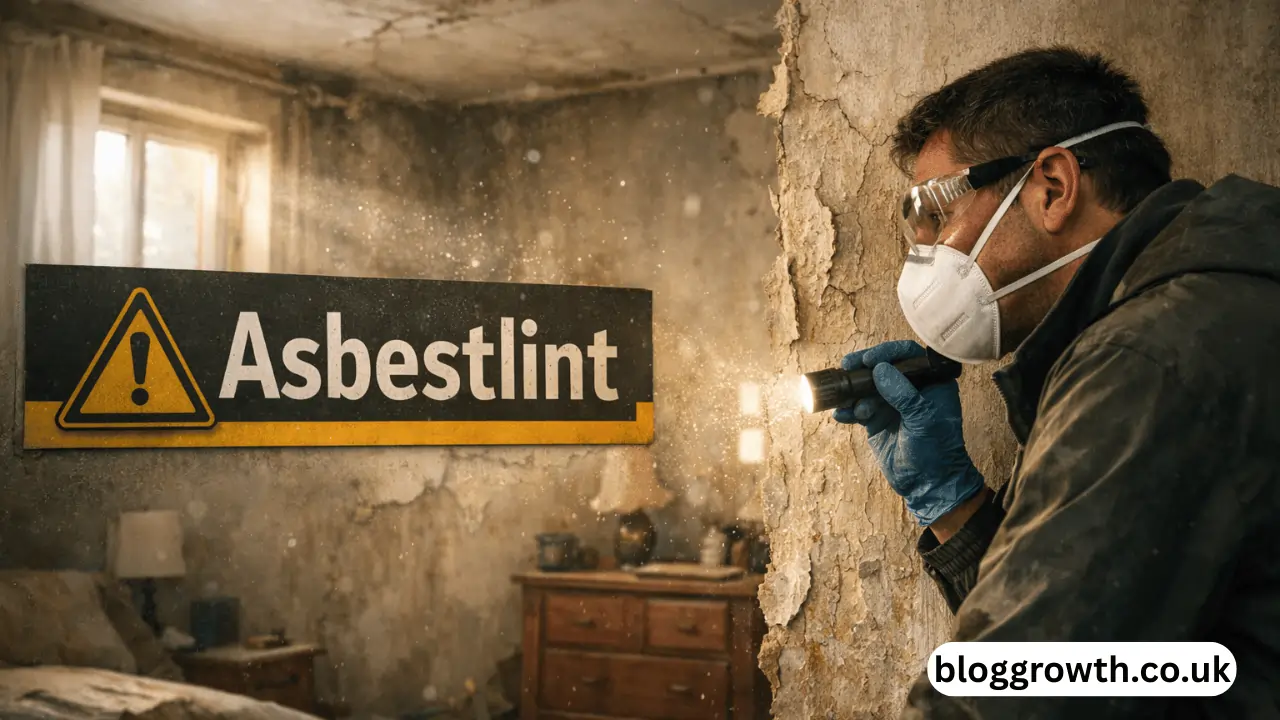
The term asbestlint is becoming more common in online discussions related to building safety and environmental health. While it may seem like a new concept, it is closely connected to asbestos, a material widely used in the past for insulation and fire resistance. Many people are unaware that asbestlint can exist in their homes, workplaces, or public buildings without any visible warning signs.
Understanding asbestlint is important because it represents a form of asbestos that can easily become airborne and enter the human body. This article explains its meaning, how it forms, where it is found, and how to stay protected.
What Is Asbestlint
Asbestlint refers to fine, loose, and dust-like asbestos fibers that separate from asbestos-containing materials. These fibers are extremely small and can float in the air for long periods. Because of their lightweight nature, they can spread quickly and remain undetected.
Unlike solid asbestos materials that may remain stable if untouched, asbestlint is already in a disturbed form. This makes it more dangerous, as it can be inhaled without any visible indication. In simple terms, asbestlint is the airborne or loose version of asbestos fibers.
How Asbestlint Is Formed
Asbestlint is usually created when asbestos-containing materials begin to break down. This can happen naturally over time or due to physical disturbance.
Natural Aging of Materials
Older buildings often contain asbestos in insulation, tiles, or roofing. As these materials age, they weaken and start releasing fibers into the air.
Renovation and Construction Work
Activities such as drilling, cutting, sanding, or demolition can disturb asbestos materials. This disturbance releases fibers, forming asbestlint.
Environmental Damage
Moisture, heat, and physical wear can damage asbestos surfaces. Once damaged, these materials begin to shed fibers, increasing the presence of asbestlint in the environment.
Common Places Where Asbestlint Is Found
Asbestlint is most commonly found in older structures, especially those built before modern safety regulations were introduced.
Residential Buildings
Homes built decades ago may contain asbestos in ceilings, walls, and floors. Over time, these materials can release asbestlint.
Industrial Sites
Factories and warehouses often used asbestos for insulation. Damaged or aging equipment can release fibers into the air.
Heating and Plumbing Systems
Pipes and boilers were commonly insulated with asbestos materials. When these materials deteriorate, they can release asbestlint.
Roofing and Flooring Materials
Roof sheets and floor tiles made with asbestos can break down over time, especially if they are cracked or disturbed.
Health Risks Linked to Asbestlint
The biggest concern with asbestlint is its impact on human health. Because the fibers are microscopic, they can be inhaled easily and settle deep inside the lungs.
Long-Term Health Effects
Continuous exposure to asbestos fibers can lead to serious diseases, including:
- Lung scarring and breathing difficulties
- Asbestosis, a chronic lung condition
- Lung cancer
- Mesothelioma, a rare but severe cancer
Delayed Symptoms
One of the most dangerous aspects of asbestlint exposure is that symptoms may take years or even decades to appear. This makes early prevention extremely important.
Why Asbestlint Is Still Relevant Today
Even though asbestos use has been restricted in many regions, asbestlint remains a concern due to the presence of old buildings and materials.
Aging Infrastructure
Many buildings still contain asbestos materials that have not been removed. As these materials degrade, they continue to release fibers.
Renovation Projects
Home improvement and construction work can disturb hidden asbestos, increasing the spread of asbestlint.
Lack of Awareness
In many areas, people are still unaware of the risks associated with asbestos exposure, which increases the chances of unsafe handling.
Detection and Identification of Asbestlint
Detecting asbestlint is not easy because the fibers cannot be seen with the naked eye.
Professional Testing
Experts use specialized tools to analyze air quality and material samples. These tests can confirm the presence of asbestos fibers.
Warning Signs
While you cannot see the fibers, certain signs may indicate risk:
- Crumbling insulation
- Damaged ceiling or floor tiles
- Dust accumulation in older buildings
If any of these signs are present, it is important to avoid disturbing the area and seek professional help.
Safety Measures to Prevent Exposure
Preventing exposure to asbestlint requires awareness and proper precautions.
Avoid Disturbance
Do not drill, cut, or damage materials that may contain asbestos.
Use Protective Equipment
If exposure is possible, wear appropriate masks and protective clothing.
Hire Certified Professionals
Always rely on trained experts for inspection and removal. Improper handling can increase the spread of fibers.
Maintain Building Materials
Regular maintenance can prevent materials from deteriorating and releasing asbestlint.
Regulations and Safe Handling
Many governments have introduced strict regulations to control asbestos exposure.
Controlled Removal
Only licensed professionals are allowed to remove asbestos materials safely.
Safe Disposal
Asbestos waste must be disposed of according to environmental safety guidelines.
Workplace Safety Standards
Employers must ensure proper safety measures to protect workers from exposure.
These regulations help reduce the risks associated with asbestlint and ensure safer environments.
Conclusion
Asbestlint may not be a commonly discussed term, but it represents a serious health risk. It refers to loose, airborne asbestos fibers that can easily enter the body and cause long-term damage.
Understanding how asbestlint forms, where it is found, and how to prevent exposure is essential for everyone. Whether you are living in an older home or working in construction, awareness and caution can make a significant difference.
Taking preventive steps today can protect your health and ensure a safer future.
FAQs
1. What is asbestlint in simple words?
Asbestlint is fine asbestos dust or fibers that become airborne and can be inhaled easily.
2. Where can asbestlint be found?
It is commonly found in old buildings, insulation materials, roofing, pipes, and floor tiles.
3. Is asbestlint harmful to health?
Yes, exposure can cause serious diseases including lung problems and cancer.
4. Can I detect asbestlint myself?
No, it requires professional testing because the fibers are microscopic.
5. How can I stay safe from asbestlint?
Avoid disturbing old materials, use protective gear, and hire professionals for inspection and removal.
You May Also Read: Gayfortans: Meaning, How It Works, Benefits and Safety Guide