








Introduction
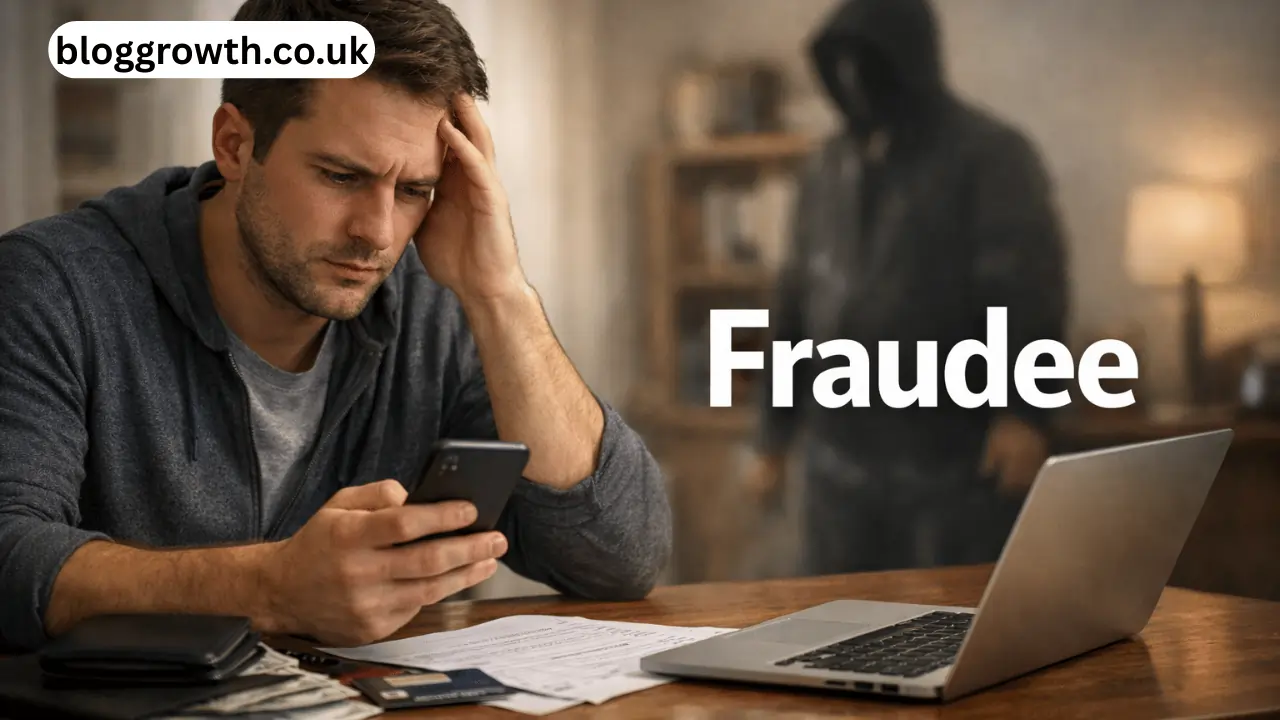
Fraud has become one of the most common risks in today’s digital and financial world. From online scams to identity theft, people are constantly exposed to deceptive activities. In this environment, the term fraudee is gaining attention as a simple way to describe someone affected by fraud.
Understanding what a fraudee is, how fraud works, and how to stay protected is essential for anyone using the internet, banking services, or digital platforms. This guide explains everything in a clear, human-focused way so you can stay informed and avoid becoming a victim.
Meaning of Fraudee
The word fraudee is a modern, informal term derived from the word “fraud.” It is commonly used to describe a person who becomes a victim of fraudulent activity.
A fraudee can be:
- Someone who loses money through scams
- A person whose personal information is stolen
- An individual tricked into sharing sensitive data
Instead of using complex terms, the word fraudee makes it easier to identify and discuss people affected by fraud in a simple and relatable way.
What is Fraud?
Fraud is the act of deliberately deceiving someone to gain an unfair advantage, usually financial. It involves false information, manipulation, or hiding the truth.
Key Elements of Fraud
To understand fraud better, it usually includes:
- Intentional deception
- False representation or misleading information
- A victim who trusts the false claim
- Financial or personal loss
- Benefit gained by the fraudster
When these elements come together, the person affected becomes a fraudee.
Common Types of Fraud
Fraud exists in many forms, and being aware of them can help you avoid becoming a fraudee.
Identity Theft
This happens when someone steals your personal information such as ID numbers or bank details to act as you.
Online Scams
Fake emails, messages, or websites designed to trick users into sharing sensitive information.
Credit Card Fraud
Unauthorized use of your card details for transactions without your permission.
Investment Scams
Fraudsters offer fake opportunities with promises of high returns to trap people.
Business Fraud
Manipulation of company funds or records for personal gain.
Each of these types has one thing in common: they target trust, and once trust is broken, the victim becomes a fraudee.
Why Fraud is Increasing in the Digital Age
Fraud is growing rapidly, especially with the rise of technology and online systems.
Increased Online Activity
More people are using digital platforms for banking, shopping, and communication.
Lack of Awareness
Many individuals are still unaware of how modern scams operate.
Easy Access for Fraudsters
Creating fake profiles, websites, or messages has become easier.
Advanced Technology
New tools allow scammers to create realistic fake content, making scams harder to detect.
Because of these reasons, anyone can become a fraudee if they are not careful.
Psychology Behind Fraud
Fraud is not just about technology—it also depends on human behavior.
The Fraud Triangle
There are three main factors behind fraud:
- Pressure: Financial or personal problems
- Opportunity: Weak systems or lack of monitoring
- Justification: Believing the act is acceptable
Fraudsters also use emotions like fear, urgency, or excitement to manipulate people. For example, a sudden message about winning money can push someone into acting quickly without thinking.
This emotional manipulation often turns an unaware person into a fraudee.
Warning Signs You Should Never Ignore
Recognizing early signs can save you from becoming a fraudee.
Common Red Flags
- Requests for personal or banking information
- Messages creating urgency or panic
- Offers that seem too good to be true
- Unknown links or suspicious attachments
- Requests to keep transactions confidential
If something feels unusual, it is always better to pause and verify.
How to Protect Yourself from Becoming a Fraudee
Prevention is the best way to stay safe. Simple habits can reduce your risk significantly.
Stay Educated
Keep learning about new fraud techniques and scams.
Verify Every Request
Always confirm the identity of anyone asking for sensitive information.
Use Strong Security
Enable two-factor authentication and create strong passwords.
Avoid Sharing Sensitive Data
Never share OTPs, passwords, or banking details.
Monitor Your Accounts
Check your financial activity regularly for any unusual transactions.
Following these steps can help you avoid becoming a fraudee and keep your personal and financial data secure.
Real-Life Impact of Fraud
The impact of fraud goes beyond money. It can affect a person’s mental and emotional well-being.
Financial Loss
Losing savings or income can create long-term problems.
Emotional Stress
Victims often feel anxiety, fear, or embarrassment.
Loss of Trust
People may lose confidence in online systems or services.
Time and Effort in Recovery
Fixing the damage caused by fraud can take a long time.
Being a fraudee can affect daily life, which is why prevention and awareness are so important.
Conclusion
The concept of a fraudee highlights how common fraud has become in today’s world. As technology grows, so do the methods used by fraudsters. Anyone can become a target, regardless of age or experience.
Understanding fraud, recognizing warning signs, and taking preventive steps are the best ways to stay safe. Awareness is not just helpful—it is necessary. By staying informed and cautious, you can protect yourself and avoid becoming a fraudee.
Frequently Asked Questions
1. What does fraudee mean?
A fraudee is a person who becomes a victim of fraud, such as scams or identity theft.
2. Is fraudee a formal term?
No, fraudee is an informal term used to describe someone affected by fraud.
3. What are the most common fraud types?
Identity theft, online scams, credit card fraud, and investment scams are the most common types.
4. How can I avoid becoming a fraudee?
Stay informed, verify requests, use strong security, and never share sensitive information.
5. What should I do if I become a fraudee?
Immediately report the issue, secure your accounts, and monitor your financial activity for further risks.
You May Also Read: Newspaperfit com: In-Depth Guide to Content, Features and How It Works