








Introduction
The topic of riverbank collapse Iford Playing Fields has gained attention due to growing concerns about environmental stability and public safety in riverside recreational areas. While such incidents may seem sudden, they are usually the result of long-term natural processes combined with human influence.
Understanding the riverbank collapse Iford Playing Fields helps highlight broader environmental risks and explains why similar situations are becoming more common in areas located near rivers.
What Happened at Iford Playing Fields
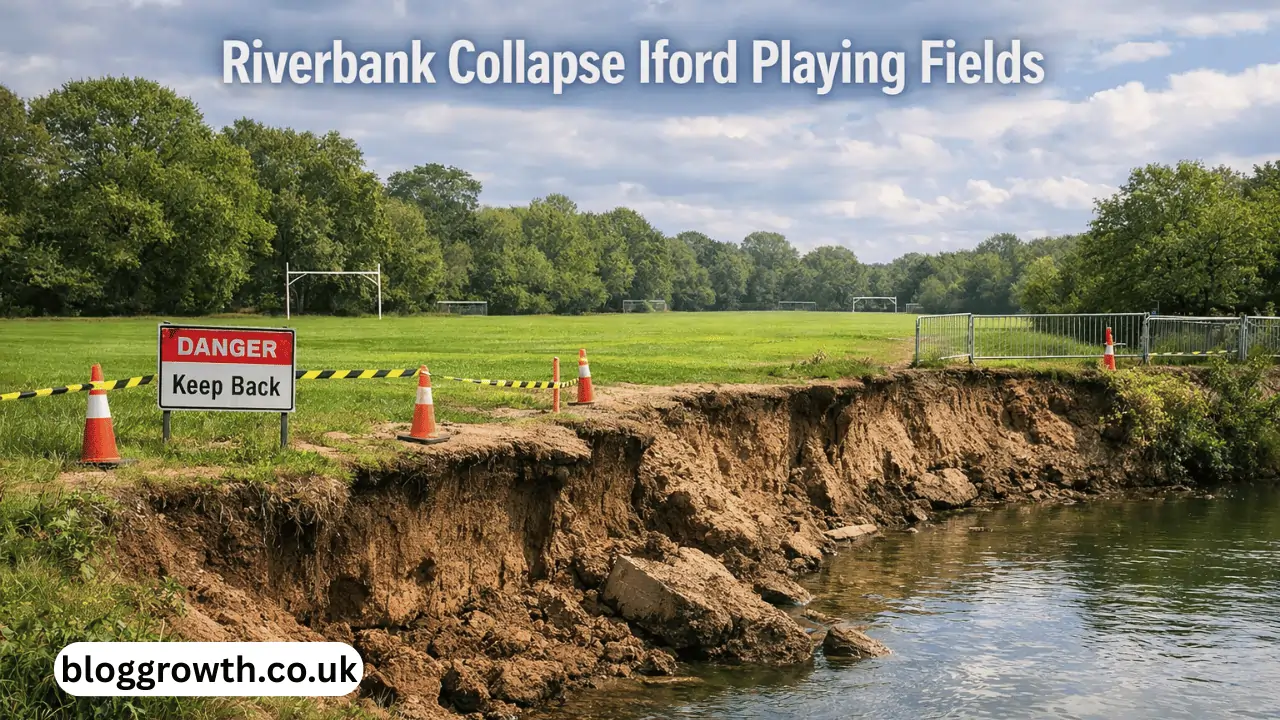
The riverbank collapse Iford Playing Fields refers to a section of land near a riverside recreational ground that became unstable and gave way. This resulted in soil, grass, and vegetation slipping into the adjacent river.
Iford Playing Fields is known as a public space used for sports, walking, and outdoor activities. Its location close to a river makes it attractive for visitors but also exposes it to natural risks such as erosion and flooding.
Although there have been no confirmed reports of injuries, the collapse raised concerns about safety and the long-term stability of the area.
Main Causes Behind Riverbank Collapse Iford Playing Fields
Riverbank collapses rarely occur due to a single factor. Instead, they develop over time due to a combination of environmental and human-related causes.
Heavy Rainfall and Water Saturation
One of the biggest contributors to the riverbank collapse Iford Playing Fields is excessive rainfall. When soil absorbs too much water, it becomes heavy and weak. This reduces its ability to hold together, making it more likely to slide or collapse.
Continuous River Erosion
Rivers naturally erode their banks as water flows along their course. Over time, this process removes soil from the base of the bank, weakening its structure. Eventually, the upper layers lose support and collapse.
Loss of Vegetation Support
Plants and trees play a key role in stabilizing soil. Their roots hold the ground together and reduce erosion. If vegetation is reduced or damaged, the soil becomes loose and more vulnerable to collapse.
Human Activity and Ground Pressure
Public areas like playing fields experience regular foot traffic. Constant movement can compact the soil and affect its natural drainage. In some cases, human activity near the edge of a riverbank can accelerate weakening.
Changing Climate Patterns
Weather patterns are becoming more unpredictable, with increased rainfall and flooding. These changes are contributing to more frequent cases like the riverbank collapse Iford Playing Fields, especially in low-lying areas.
Impact on Public Safety and Community Use
The riverbank collapse Iford Playing Fields has several important consequences that affect both people and the environment.
Risk to Visitors
Unstable ground near a river can be dangerous. People walking or playing close to the affected area may not realize the risk until the ground shifts. This is why such areas are often closed immediately after a collapse.
Disruption of Recreational Activities
Playing fields are designed for community use, including sports and leisure. When part of the land becomes unsafe, it disrupts daily activities and may lead to temporary closures.
Environmental Damage
When soil enters the river, it increases sediment levels in the water. This can harm aquatic life and disturb the natural ecosystem. Fish and other organisms may struggle to survive in altered conditions.
Financial Burden
Repairing damaged riverbanks requires time, planning, and resources. Authorities may need to invest in engineering solutions, landscaping, and ongoing maintenance to restore the area.
How Authorities Manage Riverbank Collapses
After an incident like the riverbank collapse Iford Playing Fields, authorities follow a structured approach to manage the situation.
Immediate Safety Actions
The first step is to secure the area. This includes installing barriers, placing warning signs, and restricting access to prevent accidents.
Technical Assessment
Experts assess the damage by studying soil conditions, water flow, and the stability of the remaining land. This helps determine the best course of action.
Stabilization Techniques
Several methods are used to strengthen the riverbank:
- Planting vegetation to restore natural stability
- Adding structural support such as retaining systems
- Using stones or barriers to reduce further erosion
Ongoing Monitoring
Even after repairs, the site must be monitored regularly. Environmental conditions can change, and early detection of new risks is essential.
Why This Incident Matters Beyond One Location
The riverbank collapse Iford Playing Fields is not just a local issue. It reflects a wider environmental challenge affecting many regions.
Increasing Pressure on Natural Landscapes
As more land is used for public and recreational purposes, natural systems are placed under pressure. Without proper management, this can lead to instability.
Importance of Sustainable Planning
Developing areas near rivers requires careful planning. Authorities must consider long-term environmental impacts rather than short-term benefits.
Rising Environmental Risks
With climate change influencing weather patterns, incidents like the riverbank collapse Iford Playing Fields are expected to become more common. This makes prevention and preparedness more important than ever.
Preventive Measures for Future Safety
Preventing future collapses requires a proactive approach that combines environmental care and responsible land use.
Protecting Vegetation
Maintaining plant life along riverbanks helps keep the soil stable and reduces erosion.
Managing Water Flow
Proper drainage systems and flood management strategies can reduce the impact of heavy rainfall.
Limiting Human Impact
Restricting access to sensitive areas and managing foot traffic can help preserve soil structure.
Regular Inspections
Routine checks can identify early signs of erosion or instability, allowing action to be taken before a collapse occurs.
Conclusion
The riverbank collapse Iford Playing Fields highlights the delicate balance between natural forces and human activity. While riverside areas offer valuable recreational spaces, they also require careful management to ensure safety and sustainability.
By understanding the causes and impacts of such incidents, communities can take better steps to protect both people and the environment. The lessons learned from the riverbank collapse Iford Playing Fields can help guide future planning and reduce the risk of similar events.
FAQs
1. What is riverbank collapse Iford Playing Fields?
It refers to a situation where part of the riverbank at Iford Playing Fields became unstable and collapsed into the river.
2. What caused the riverbank collapse Iford Playing Fields?
The main causes include heavy rainfall, natural erosion, vegetation loss, human activity, and changing weather patterns.
3. Is the area safe after the riverbank collapse Iford Playing Fields?
Safety depends on repairs and inspections. Authorities usually restrict access until the area is stable again.
4. Can riverbank collapses be prevented in the future?
Yes, through proper maintenance, vegetation protection, and careful planning, the risk can be reduced.
5. Why are riverbank collapses becoming more common?
Increased rainfall, climate change, and human impact on natural environments are making such incidents more frequent.
You May Also Read: Vitilinox: Complete Guide to Benefits, Uses, Results and Effectiveness