








Introduction
In today’s digital age, the business computing world has become the backbone of nearly every organization. From managing daily operations to making strategic decisions, businesses now depend heavily on computing technologies to stay competitive and efficient.
Understanding the business computing world is essential for business owners, students, and professionals who want to keep up with modern trends. This article provides a complete overview, covering its meaning, evolution, key components, current trends, challenges, and future scope in a clear and professional way.
What is the Business Computing World
The business computing world refers to the use of computers, software, and digital systems to perform business activities. It combines technology with business processes to improve productivity, communication, and decision-making.
In simple words, it is how businesses use technology to:
- Store and manage data
- Automate tasks
- Communicate with teams and customers
- Analyze performance
Every modern organization, whether small or large, operates within the business computing world in one way or another.
Evolution of the Business Computing World
The business computing world has developed over time, moving from simple machines to advanced digital systems.
Early Computing Era
In the early days, businesses used large mainframe computers. These systems were expensive and limited to large organizations. They were mainly used for data processing and record-keeping.
Personal Computer Revolution
The introduction of personal computers made technology accessible to more businesses. Offices began using tools like spreadsheets and word processors, which improved efficiency and reduced manual work.
Internet Expansion
The rise of the internet transformed the business computing world. Businesses started using email, websites, and online platforms to connect with customers globally. E-commerce also became a major part of business operations.
Modern Digital Era
Today, the business computing world includes advanced technologies such as cloud computing, artificial intelligence, and big data. Businesses now operate in a fast, connected, and data-driven environment.
Key Components of the Business Computing World
To understand the business computing world, it is important to explore its main components.
Cloud Computing
Cloud computing allows businesses to store data and run applications online. It reduces the need for physical hardware and offers flexibility, scalability, and cost savings.
Artificial Intelligence
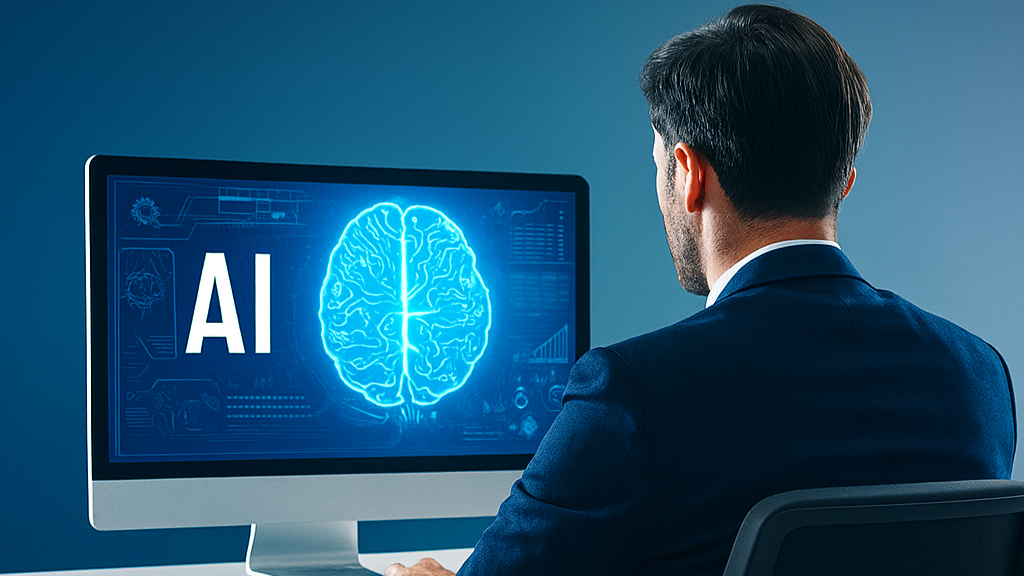
Artificial intelligence helps businesses automate tasks, analyze data, and improve customer service. It is widely used in chat systems, recommendation engines, and decision-making processes.
Data Analytics and Big Data
Data plays a crucial role in the business computing world. Businesses collect and analyze large amounts of data to understand customer behavior, predict trends, and make better decisions.
Cybersecurity
With increasing digital activities, protecting data has become essential. Cybersecurity ensures that business information remains safe from threats and unauthorized access.
Mobile and Remote Technologies
Mobile devices and remote working tools allow employees to work from anywhere. This has improved flexibility and productivity in modern workplaces.
Current Trends in the Business Computing World
The business computing world is constantly evolving with new trends shaping how businesses operate.
Growth of Multi-Cloud Systems
Many businesses now use multiple cloud services instead of relying on a single provider. This improves reliability and gives more control over data and applications.
Increasing Use of Artificial Intelligence
AI is being used across various industries to improve efficiency and reduce manual work. Businesses are adopting AI tools for customer service, marketing, and operations.
Expansion of Data Systems
Organizations are investing more in data infrastructure. The ability to process and analyze data quickly has become a major competitive advantage.
Edge Computing and Connected Devices
Edge computing allows data to be processed closer to its source. Combined with connected devices, it helps businesses operate in real time, especially in industries like logistics and manufacturing.
Focus on Sustainable Technology
Businesses are becoming more aware of environmental impact. They are adopting energy-efficient systems and sustainable computing practices.
Benefits of the Business Computing World
The business computing world offers many advantages that help businesses grow and succeed.
Improved Efficiency
Automation reduces the need for manual work, saving time and effort.
Better Decision-Making
Data analysis provides insights that help businesses make informed decisions.
Enhanced Communication
Digital tools make communication faster and more effective, both internally and externally.
Cost Reduction
Cloud computing and automation help reduce operational costs.
Global Opportunities
Businesses can reach customers worldwide through digital platforms.
Challenges in the Business Computing World
Despite its benefits, the business computing world also comes with challenges that businesses must address.
Cybersecurity Threats
As businesses rely more on digital systems, the risk of cyberattacks increases.
High Initial Costs
Implementing advanced technologies can require significant investment.
Skill Shortage
There is a growing need for skilled professionals who understand modern computing systems.
Integration Issues
Combining new technologies with existing systems can be complex.
Regulatory Requirements
Businesses must follow data protection and privacy laws, which can vary by region.
Future of the Business Computing World
The future of the business computing world looks promising, with several advancements expected to shape the next phase of business operations.
Rise of Advanced Computing Technologies
Technologies such as quantum computing will enable faster and more powerful data processing.
Increased Automation
Businesses will rely more on automated systems to improve efficiency and reduce human effort.
Real-Time Data Usage
Real-time analytics will help businesses respond quickly to changes in the market.
Growth of 5G and Connected Systems
Faster internet and connected devices will improve communication and operational efficiency.
Focus on Ethical Technology
Businesses will need to ensure responsible use of technology, especially when dealing with data and artificial intelligence.
Conclusion
The business computing world has become an essential part of modern business operations. It has transformed how organizations function, communicate, and grow in a competitive environment.
From its early beginnings to today’s advanced technologies, the business computing world continues to evolve and create new opportunities. Businesses that understand and adopt these technologies will be better prepared for the future and able to achieve long-term success.
FAQs
1. What is the business computing world
The business computing world refers to the use of computers and digital technologies to manage and improve business operations.
2. Why is the business computing world important
It helps businesses increase efficiency, reduce costs, and make better decisions using technology.
3. What are the main components of the business computing world
Key components include cloud computing, artificial intelligence, data analytics, cybersecurity, and mobile technologies.
4. What challenges exist in the business computing world
Some common challenges include cybersecurity risks, high costs, skill shortages, and integration issues.
5. What is the future of the business computing world
The future includes advancements in automation, real-time data processing, and new technologies like quantum computing and 5G connectivity.
You May Also Read: Sealey B2B: Complete Guide to Features, Pricing, Benefits and Setup