






Online and traditional classroom instruction are combined in an educational method called hybrid learning. This method of learning has changed the face of contemporary education. Although this adaptable model has many advantages, it also requires careful preparation. It is essential to study well rather than just put in a lot of effort if you want to achieve academic success in hybrid learning with SMART goals.
Students who struggle to balance their academic and professional obligations look for solutions, such as searching for “Can I pay someone to take my online course”? But the most effective way to do this is to use structured learning strategies, especially SMART goals. Students attend some of them physically while completing the additional sessions online.
· Adaptable timetables
· Virtual tools and resources
· Chances for self-paced education
· A mix of in-person and virtual communication
This approach gives students more control over their learning, but it also requires better time management and discipline.
Understanding Various Hybrid Learning Techniques
Before using success strategies, it’s important to comprehend the many hybrid models and how they impact your education. Generally speaking, hybrid education falls into a variety of categories:
· Face-to-Face Driver:
While most instruction occurs in person, conventional lectures are accompanied by digital tools such as audio recordings and online assessments.
· Rotation Model:
Students stick to a planned timetable that rotates between physical classes and virtual classrooms.
· Flex Model:
Teachers offer in-person, on-demand assistance while most of the material is supplied online.
· Lab Model:
The full syllabus is accessible online, but students do their assignments in a digital lab along with some personal help.
· Self-Blend Model:
Students choose to add online courses to their traditional classroom experience.
· Online Driver Model:
All classes are offered virtually, with the option to check in in person.
Deciding What You Want
To help you decide your objective, respond to the following questions. You will need these responses for your SMART assessment in upcoming faculty advisement sessions, so save them.
Building Future Goals
· In two years, how do you envision your life to be?
· How can you make this happen?
· In three years, how do you envision your life?
· What is required for this to occur?
What are SMART goals?
SMART goals are a useful tool for setting realistic targets. The acronym represents:
· Specific: Clearly articulate your objectives.
· Measurable: Monitor your advancement
· Achievable: Set realistic goals
· Relevant: Align with your academic priorities
· Time-bound: Assign due dates
Why SMART Objectives Are Crucial for Hybrid Learning
Flexibility is required in the hybrid learning environments. Students may become disoriented or unmotivated in the absence of appropriate goal-setting.
The advantages of SMART goals for students
· Increases attention and clarity
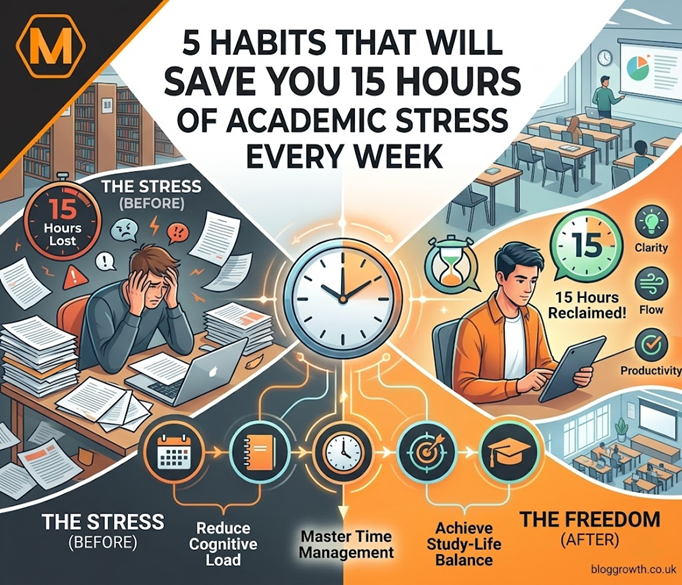
· Improves time management
· Lessens the academic burden
· Improves productivity
· Encourages accountability
How to Achieve Academic Success in Hybrid Learning with SMART Goals
Be Specific About Your Objectives
Rather than stating:
“I want to improve my academic performance.”
Say:
“I’ll get at least 80% on my math test.”
Clear objectives provide direction and remove uncertainty.
Set attainable Objectives
Frequently monitor your progress:
· Total number of chapters finished
· Attempts at practice exams
· Study time each day
This enables you to determine whether you are progressing.
Keep Objectives Reachable
Avoid having unrealistic hopes. Goals that are too difficult could be frustrating.
For instance:
Instead of studying ten chapters per day, study two.
Make sure it’s relevant
Your objectives have to align with your college’s policies. Concentrate on the abilities that are most important to your work.
Set Time Frame Deadlines
Establishing due dates promotes urgency and hinders delay.
For instance:
Finish the assignment in three days.
Common Errors that Students Make in Hybrid Learning
When it comes to creating and following academic goals, even driven students make crucial mistakes. The following are the most typical errors and how to prevent them:
· Establishing confusing objectives:
“Do better in school” is not a strategy. Create specific, well-defined goals.
· Overburden yourself:
It is too exhausting to try to complete five major goals at once. At a time, focus on one or two main goals.
· Addressing obstacles:
A well-designed goal expects challenges. If you identify that specific weeks may be busier than others, make early changes to your plan or goals.
· Measuring simple results:
Instead of focusing only on results, consider habits. You may manage how much you work, but you have no power over every mark.
· Avoiding review:
Objectives cannot operate automatically. You’ll go off track if you don’t check in frequently.
· Developing objectives for others’ approval:
Ensure that your objectives are significant to you rather than merely impressive to others. Genuine objectives are simpler to maintain.
Your academic goals will become real achievements rather than just aspirations if you avoid these issues.
The Application of Technology to Achieve SMART Objectives
A key component of hybrid learning is technology. The following resources are available to students:
· Task-management software
· Timetable planners
· Systems for learning management
· Applications for taking notes
These tools help track progress and stay organized.
Even though SMART goals help in maintaining discipline, some students continue to look for outside assistance during trying times. For example, students may seek online class takers who may assist them in taking their classes in order to manage their responsibilities.
It’s necessary to make sensible use of these online learning resources and put education ahead of reliance. The most reliable paths to academic achievement are still excellent ways to study.
Time Management Strategies for Students in Hybrid Learning
· Make a timetable for studying
Set aside time for each subject and arrange your day ahead of time.
· Avoid multitasking
To improve retention, concentrate on one job at a time.
· Take Rest Periods
Short breaks enhance focus and productivity.
Learning time management skills is important for personal development as well as academic success in hybrid learning with SMART goals. Make time for pursuits that promote personal development.
Setting Priorities for Skills
Now that you have understood the concept of hybrid learning, it is essential to prioritize subjects based on how they impact your academic goals.
· Evaluate Exam Strength and Course Complexity:
Sort courses according to the importance of impending exams and the degree of personal difficulty.
Exp: “Assign 40% of weekly study time to Organic Chemistry ahead of midterms” is a prime instance of a SMART goal.
· Follow Long-Term Goals:
Concentrate on developing abilities that will open up new prospects, such as advanced coding for computer employment or research writing for graduate school.
· Balance Study and Personal Time
Make time for both necessary classes and outside interests to keep students engaged and prevent fatigue. One example of a SMART objective is “Spend 25% of hours on optional literature studies that will foster innovation”.
With SMART goal milestones, you can continuously reinforce the route to academic achievement while keeping your study plan flexible by systematically ranking courses and abilities. This allows you to change course as exam schedules change.
How SMART Objectives Enhance Long-Term Productivity
SMART objectives not only help students achieve better academically but also prepare them for their future jobs.
Advantages After College
· Improved decision-making
· Enhanced self-control
· Increased output
· Good goal-setting techniques
These abilities are useful in both the workplace and the classroom.
Conclusion
Hard work is not enough to succeed academically in hybrid learning; planning is just as important. Students can maintain motivation with the help of SMART goals.
Students may achieve their maximum potential and succeed by integrating time management techniques with SMART goal-setting.
The secret to being successful ultimately lies in taking charge of one’s education and making steady daily progress.