








Introduction
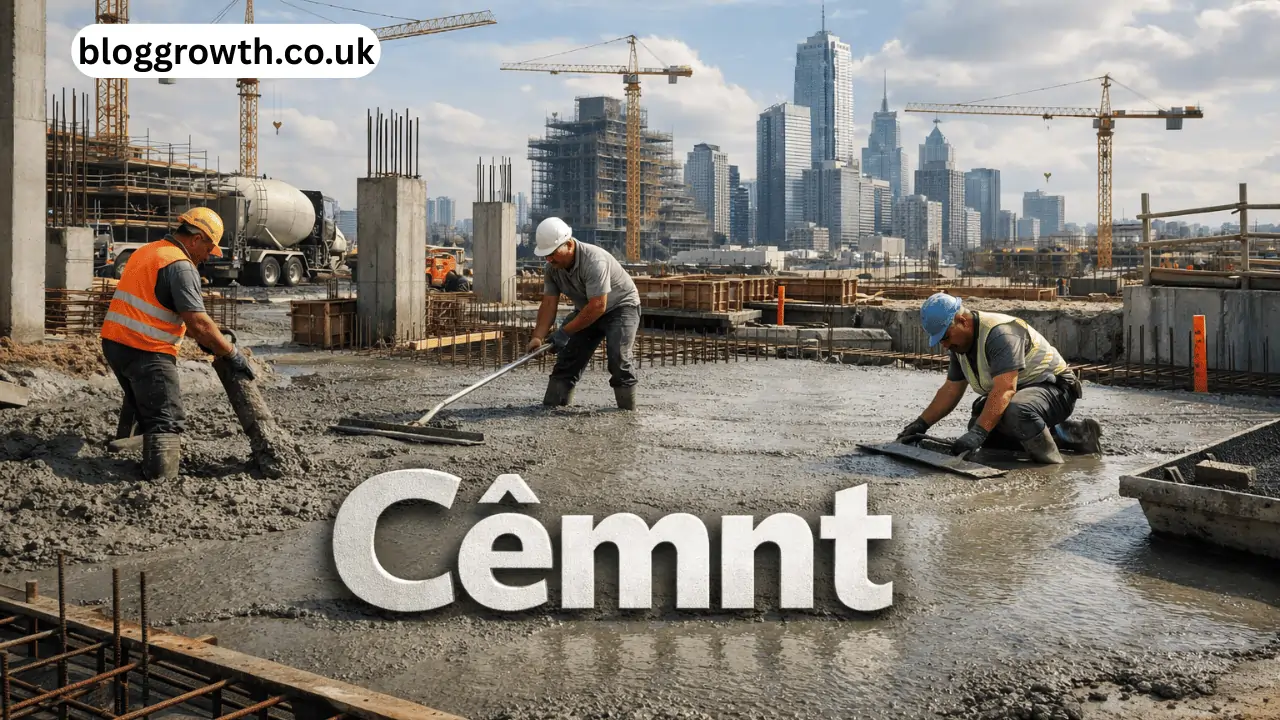
Cêmnt is one of the most important materials used in construction today. From small residential houses to large-scale infrastructure projects, cêmnt plays a key role in providing strength, durability, and stability. Despite its common use, many people are not fully aware of how cêmnt is made, the different types available, and its impact on the environment and global economy.
This article provides a complete and easy-to-understand overview of cêmnt, covering its manufacturing process, types, uses, industry insights, and future trends.
What is Cêmnt
Cêmnt is a fine powder that acts as a binding material when mixed with water, sand, and aggregates. When it reacts with water, it forms a paste that hardens over time and binds materials together to create strong structures.
It is mainly produced using natural raw materials such as limestone and clay. Due to its strong binding properties, cêmnt is widely used in construction and is considered the foundation of modern infrastructure.
Cêmnt Manufacturing Process Step by Step
The production of cêmnt involves a series of carefully controlled steps to ensure quality and performance.
Raw Material Extraction
The process begins with the extraction of raw materials like limestone and clay from quarries. These materials are the primary ingredients required to produce cêmnt.
Crushing and Grinding
The extracted materials are crushed into smaller pieces and then ground into a fine powder known as raw meal. This step ensures uniform composition.
Heating in Kiln
The raw meal is heated at very high temperatures, around 1400 degrees Celsius, inside a rotary kiln. This process produces clinker, which is the key intermediate product in cêmnt manufacturing.
Clinker Grinding
The clinker is cooled and mixed with a small amount of gypsum. It is then ground into a fine powder, which becomes the final cêmnt product.
Packaging and Distribution
The finished cêmnt is packed into bags or transported in bulk to construction sites and markets.
Types of Cêmnt Used in Construction
Different construction needs require different types of cêmnt. Each type has specific properties and applications.
Portland Cêmnt
This is the most commonly used type of cêmnt. It is suitable for general construction work and provides good strength and durability.
Blended Cêmnt
Blended cêmnt is made by mixing additional materials such as fly ash or slag. It offers improved durability and is more environmentally friendly.
Rapid Hardening Cêmnt
This type of cêmnt gains strength quickly and is ideal for projects that require fast construction.
Sulfate Resistant Cêmnt
It is used in environments where structures are exposed to high sulfate content, such as marine areas and sewage systems.
White Cêmnt
White cêmnt is mainly used for decorative and architectural purposes due to its clean appearance.
Major Uses of Cêmnt in Modern Construction
Cêmnt is used in almost every type of construction project. Its versatility makes it an essential material in the industry.
Concrete Production
The primary use of cêmnt is in making concrete, which is used to build strong and durable structures.
Residential and Commercial Buildings
Cêmnt is widely used in the construction of houses, apartments, offices, and commercial buildings.
Infrastructure Development
Large infrastructure projects such as roads, highways, bridges, and dams rely heavily on cêmnt.
Precast Products
Many construction components like blocks, pipes, and panels are manufactured using cêmnt.
Global Cêmnt Industry Overview
The global cêmnt industry is one of the largest industrial sectors, producing billions of tons every year. The demand for cêmnt continues to grow due to rapid urbanization and population increase.
Asia-Pacific leads the global market, with countries like China and India being the largest producers and consumers. Developing countries are also experiencing growth as they invest in infrastructure and housing projects.
Key factors driving the industry include urban expansion, government development projects, and rising construction activities.
Environmental Impact of Cêmnt Production
While cêmnt is essential for development, its production has environmental consequences. The manufacturing process releases a significant amount of carbon dioxide, contributing to global emissions.
The high temperatures required in kilns and the chemical reactions involved in producing clinker are the main sources of emissions. In addition, cêmnt production consumes large amounts of energy and natural resources.
Due to these challenges, there is increasing pressure on the industry to adopt sustainable practices and reduce its environmental footprint.
Future Trends in the Cêmnt Industry
The cêmnt industry is evolving to meet modern challenges and environmental concerns. Several trends are shaping its future.
Green Cêmnt
Manufacturers are developing eco-friendly alternatives that reduce carbon emissions and use sustainable materials.
Alternative Energy Sources
The use of waste materials and renewable energy is being explored to reduce reliance on traditional fuels.
Carbon Capture Technology
New technologies are being introduced to capture and store carbon emissions during production.
Smart Manufacturing
Automation and advanced technologies are improving efficiency, reducing costs, and enhancing product quality.
Conclusion
Cêmnt remains a vital component of modern construction, supporting the development of infrastructure and urban growth. Its strength, durability, and versatility make it an irreplaceable material in the building industry.
However, as environmental concerns continue to rise, the future of cêmnt depends on sustainable innovation and responsible production methods. With ongoing advancements, the industry is moving toward a more efficient and environmentally friendly future.
FAQs About Cêmnt
1. What is cêmnt used for
Cêmnt is used to make concrete and mortar, which are essential for building houses, roads, bridges, and other structures.
2. How is cêmnt manufactured
Cêmnt is produced by heating limestone and clay at high temperatures to form clinker, which is then ground into a fine powder.
3. What are the main types of cêmnt
The main types include Portland cêmnt, blended cêmnt, rapid hardening cêmnt, sulfate resistant cêmnt, and white cêmnt.
4. Why is cêmnt important in construction
Cêmnt provides strength and durability, making it essential for creating long-lasting structures.
5. Is cêmnt environmentally friendly
Traditional cêmnt production has environmental impacts, but new technologies and green alternatives are helping reduce its effects.
You May Also Read: Genhouse: Smart Sustainable Living and Future Ready Modern Homes